

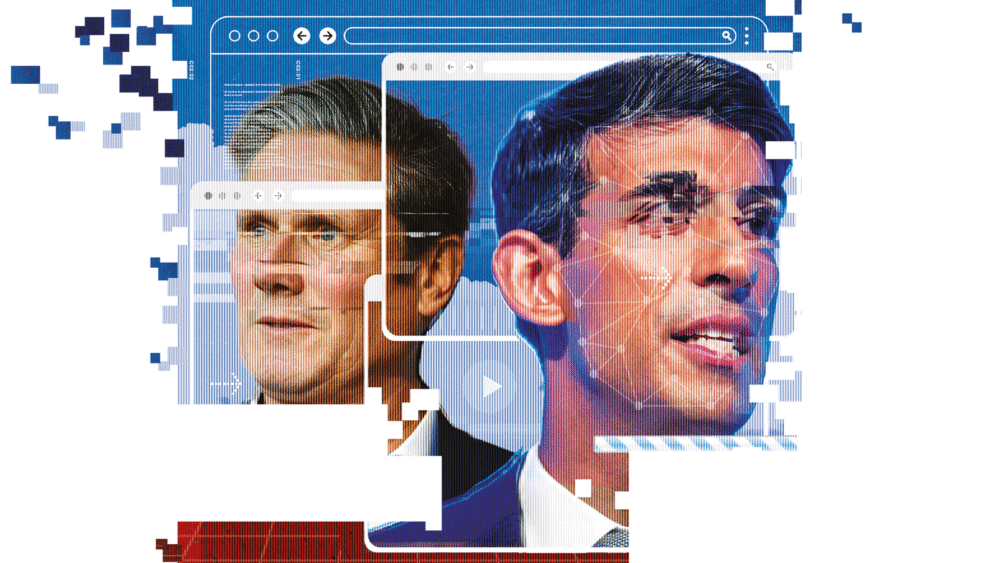
In an era of rapid digital communication, disinformation is more than a political nuisance — it’s a wellbeing issue that affects how we think, feel, and relate to one another. My analysis in Engineering & Technology Magazine highlights how fabricated audio clips, deepfake videos and fake social‑media campaigns are being used around the world to influence voting and public opinion.
While the mechanics of deceit vary, the emotional toll is consistent: disinformation creates anxiety, mistrust and social division. When false narratives spread quickly and convincingly, individuals can feel overwhelmed, unsure what sources they can trust, and anxious about engaging in civic life. This isn’t just about pundits or politics – it affects our sense of certainty, community and meaning, all core elements of psychological wellbeing.
The sheer volume of content and sophistication of AI‑generated material makes discerning truth harder, increasing cognitive fatigue and frustration. Rather than retreat from debate, however, nurturing wellbeing means cultivating critical thinking, digital resilience and community support. Learning to pause, question sources, and connect with diverse perspectives strengthens our ability to maintain inner calm and collective trust in an age where information flows faster than ever.
Wellbeing in the digital age isn’t just about self‑care – it’s about caring for the quality of our shared information space.
Read my full article here: Is disinformation distorting democracy? | Engineering and Technology Magazine
 Advice and Support
 Guidance
 Magical Markets
 Get Inspired
 Discover
 Connect
 About Chris
 About Julie
 Psychic And Tarot
 Advice, Guidance, Reassurance
 Creativity
 Alternative Therapies
 Enrich Your Life and Home with Beautiful Gifts
 Stress and Anxiety
 Personal Growth and Development
 Emotional Healing
 Healthy Living
 Spiritual Awakening and Growth
 Mind Body Spirit Connection
 Holistic Health and Wellness